
Role
Product Designer · Bootcamp team of 3
Scope
Research · Product Strategy · Prototyping · User Testing
Duration
2-week sprint
Category
Conversational AI · Product Adoption
About the project
At the time of this project, Mistral AI's assistant was still called Le Chat. It has since been renamed Vibe.
This case study explores how lightweight gamification can support product adoption by helping users discover valuable AI capabilities without disrupting the core chat experience.
The brief provided one key retention signal, one requested lever, and two product objectives.
⏳
1/30
users still return daily after one month
🎮
Gamification
requested lever for engagement
📈
D30 retention
increase return rate after 30 days
📲
DAU
increase active users
The project was completed during The Design Crew bootcamp from a brief focused on Le Chat's engagement and retention.
While the initial concept was developed collaboratively during the sprint, I continued the project independently, creating a personal V3 informed by user testing insights.
INITIAL SPRINT BRIEF
How might we gamify Le Chat to increase engagement and retention?
01 ———— Problem framing
Framing the opportunity
Before exploring solutions, we broke the challenge down into its different dimensions to understand where gamification could create value and where it could become distracting.
This exploration highlighted the questions our benchmark needed to answer before we could define a solution.
🎯
AI use cases
Summarise · Prompt
Generate · Search
🧩
Gamification mechanics
Missions · XP · Rewards
Levels · Streaks · Avatars
🔁
Habit-building
Meaningful reasons
to come back
⚠️
Experience risks
No chat interruptions
No artificial game layers

02 ———— Benchmark
Learning from gamification patterns
We benchmarked products where gamification reinforces the core experience rather than distracting from it. We grouped the references into two complementary approaches.
👾
Integrated gamification
Built into the core experience
✨
Added gamification
Supports the main use as a light layer
This distinction helped us decide whether gamification should become part of the core experience or remain a lightweight supporting layer.
Native patterns we kept
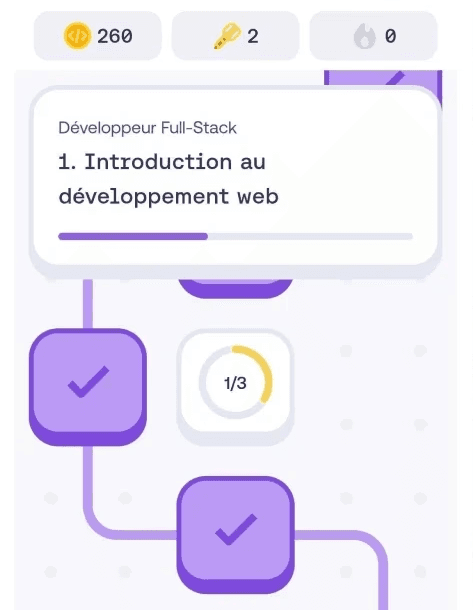
Duolingo and Mimo showed how visible progress and guided missions can make complex learning easier to understand and complete.





Added patterns we prioritised
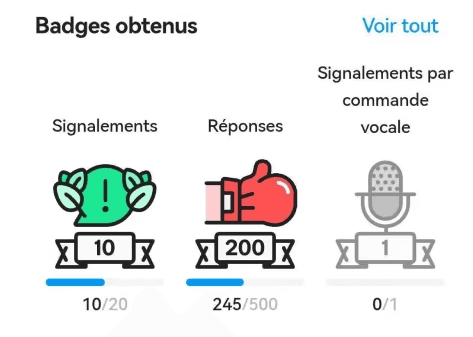
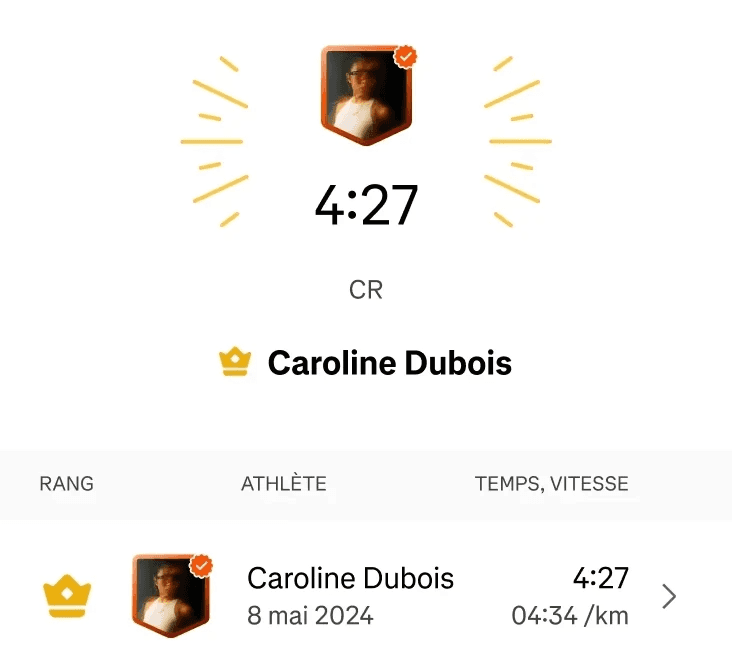
Waze and Strava showed how lightweight gamification can reinforce useful behaviours without taking over the core experience.



















07 ———— Final experience
Final prototype
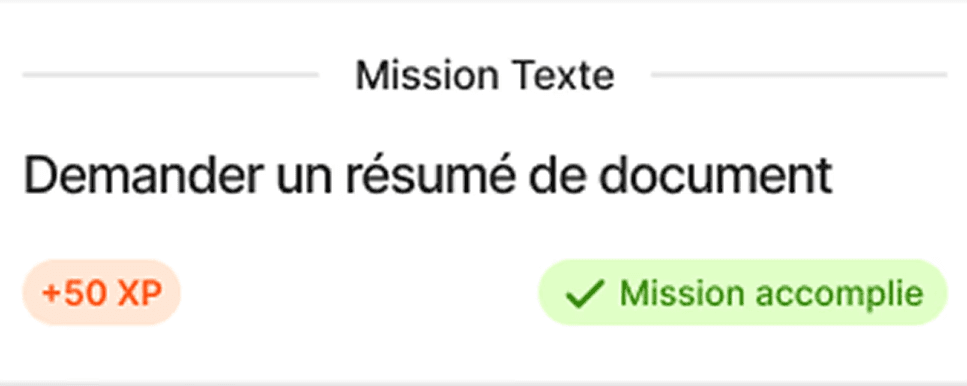
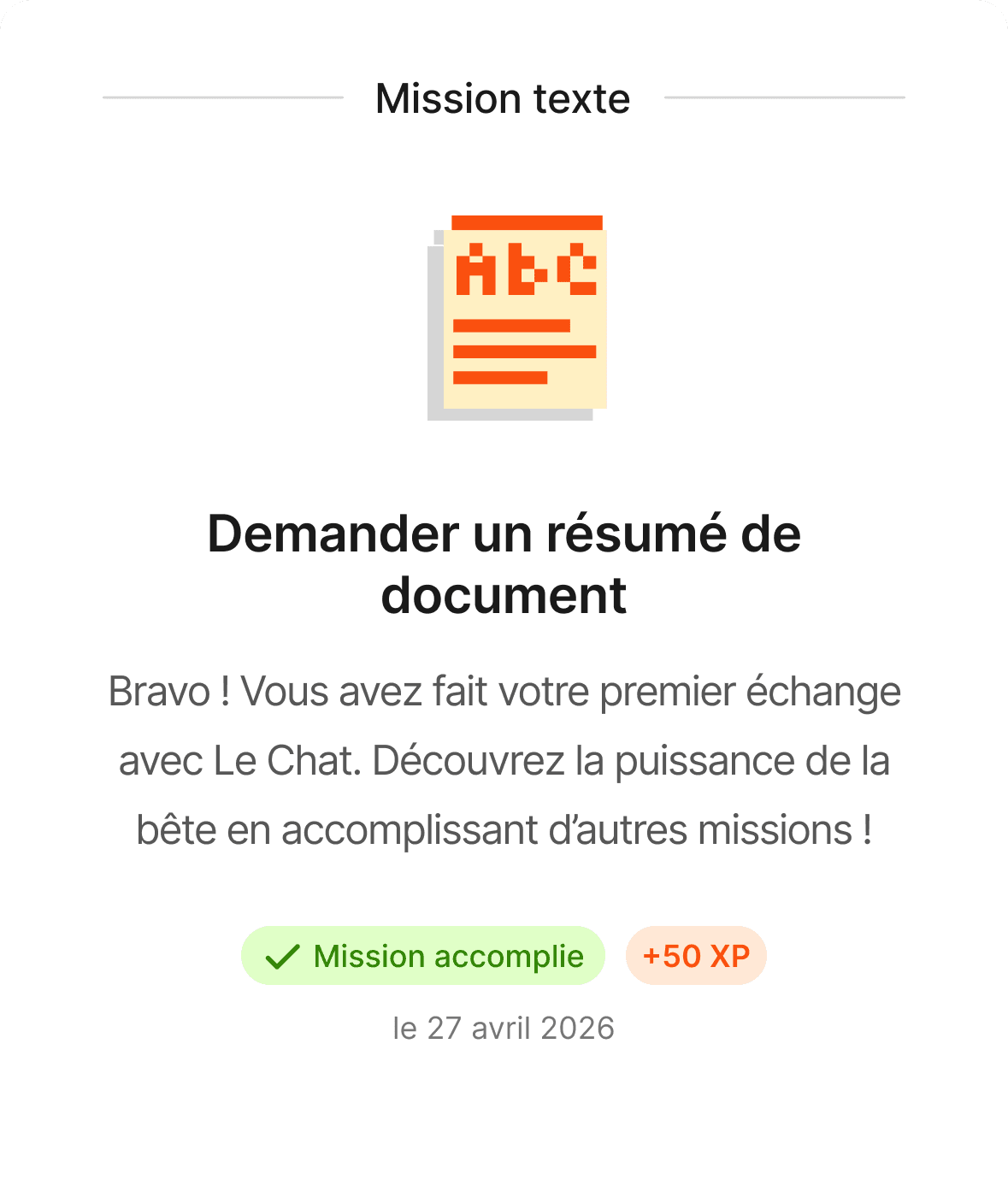
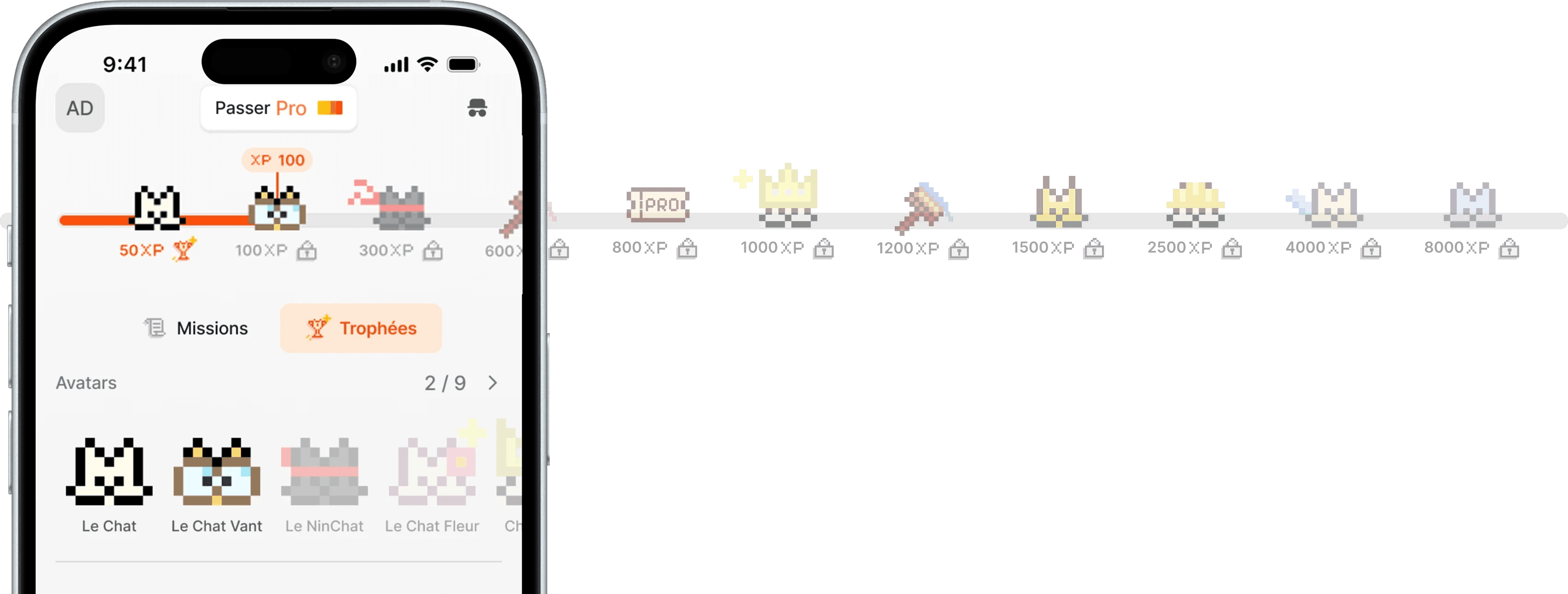
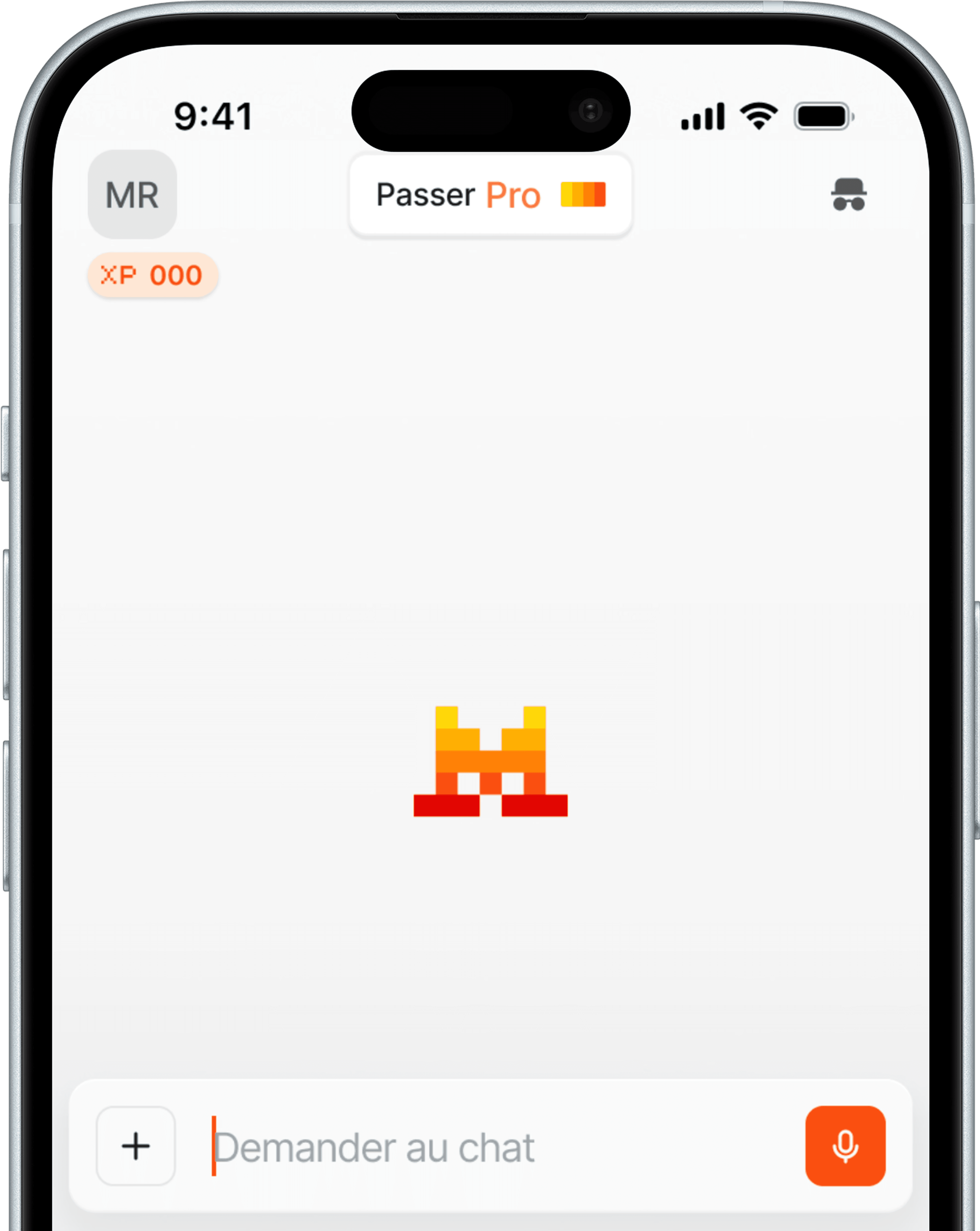
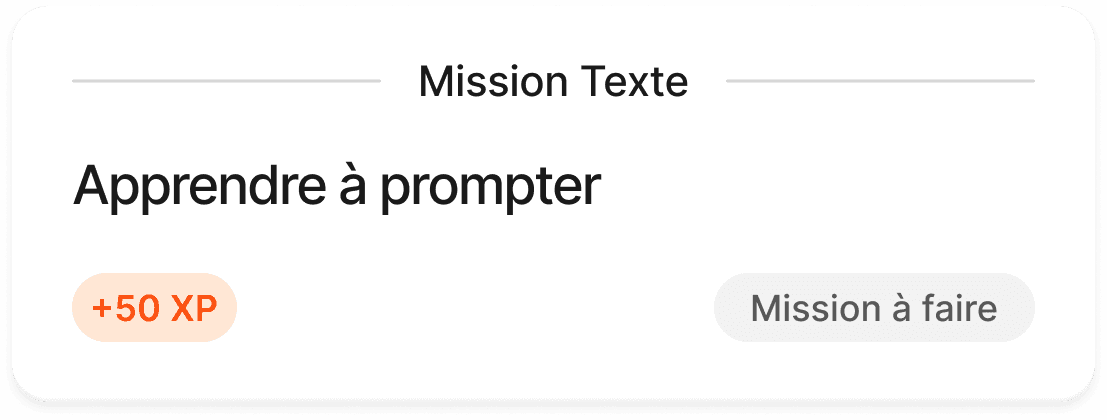
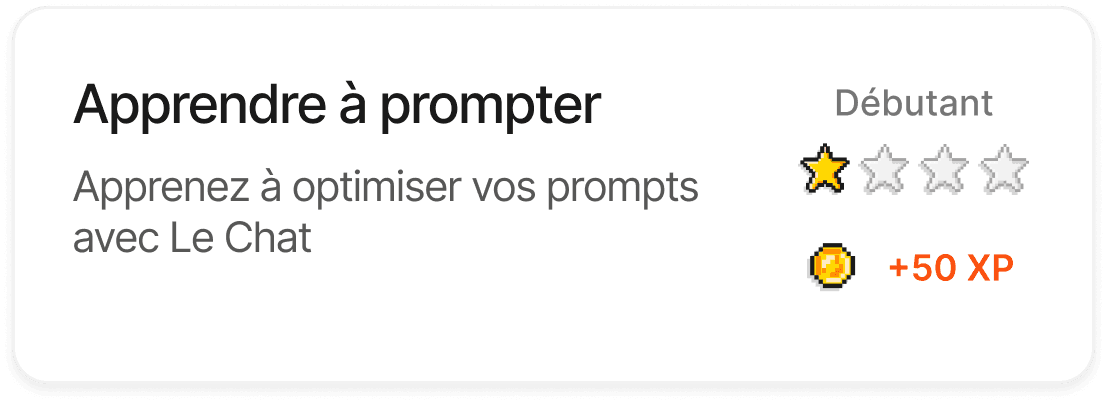
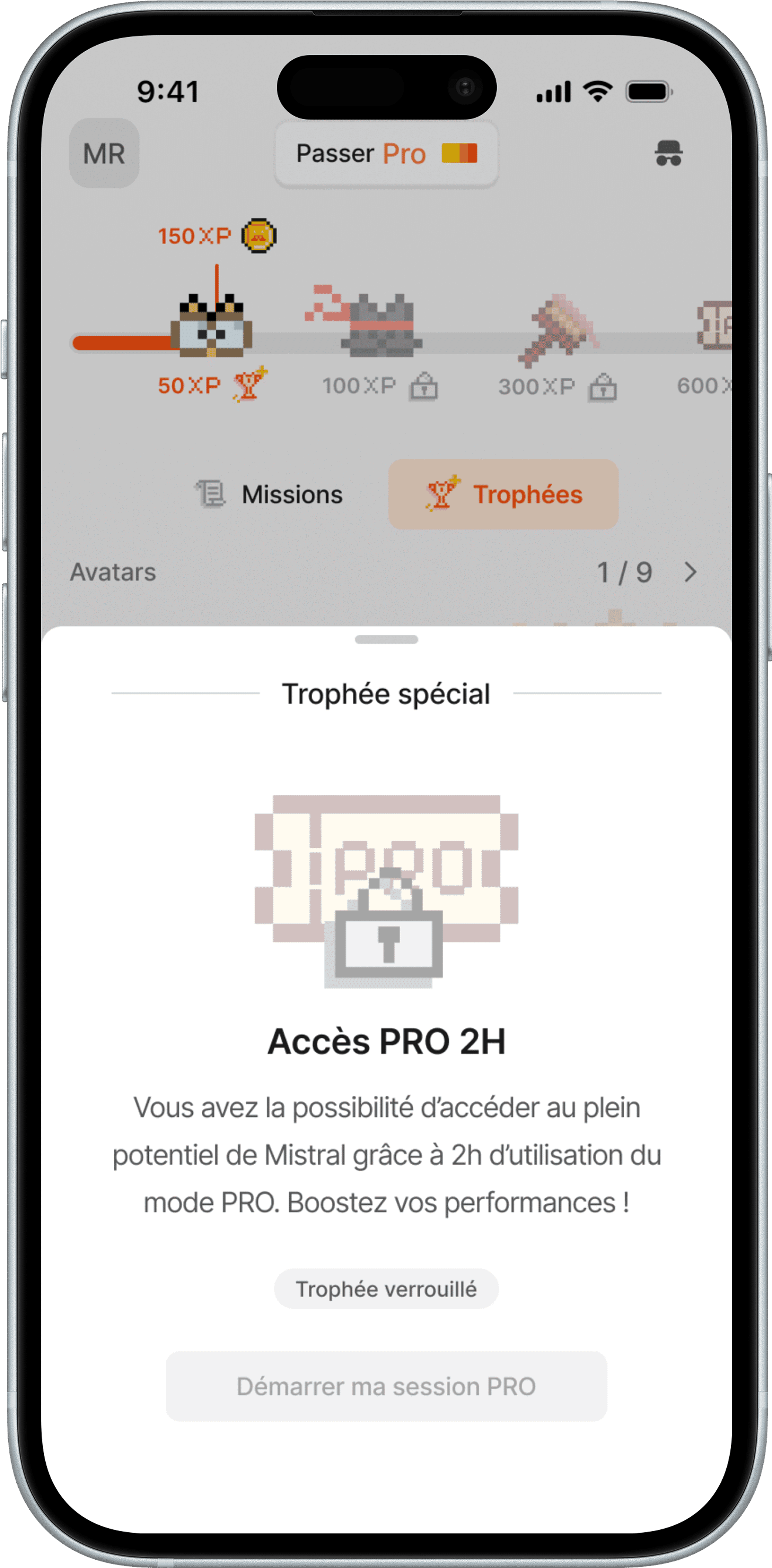
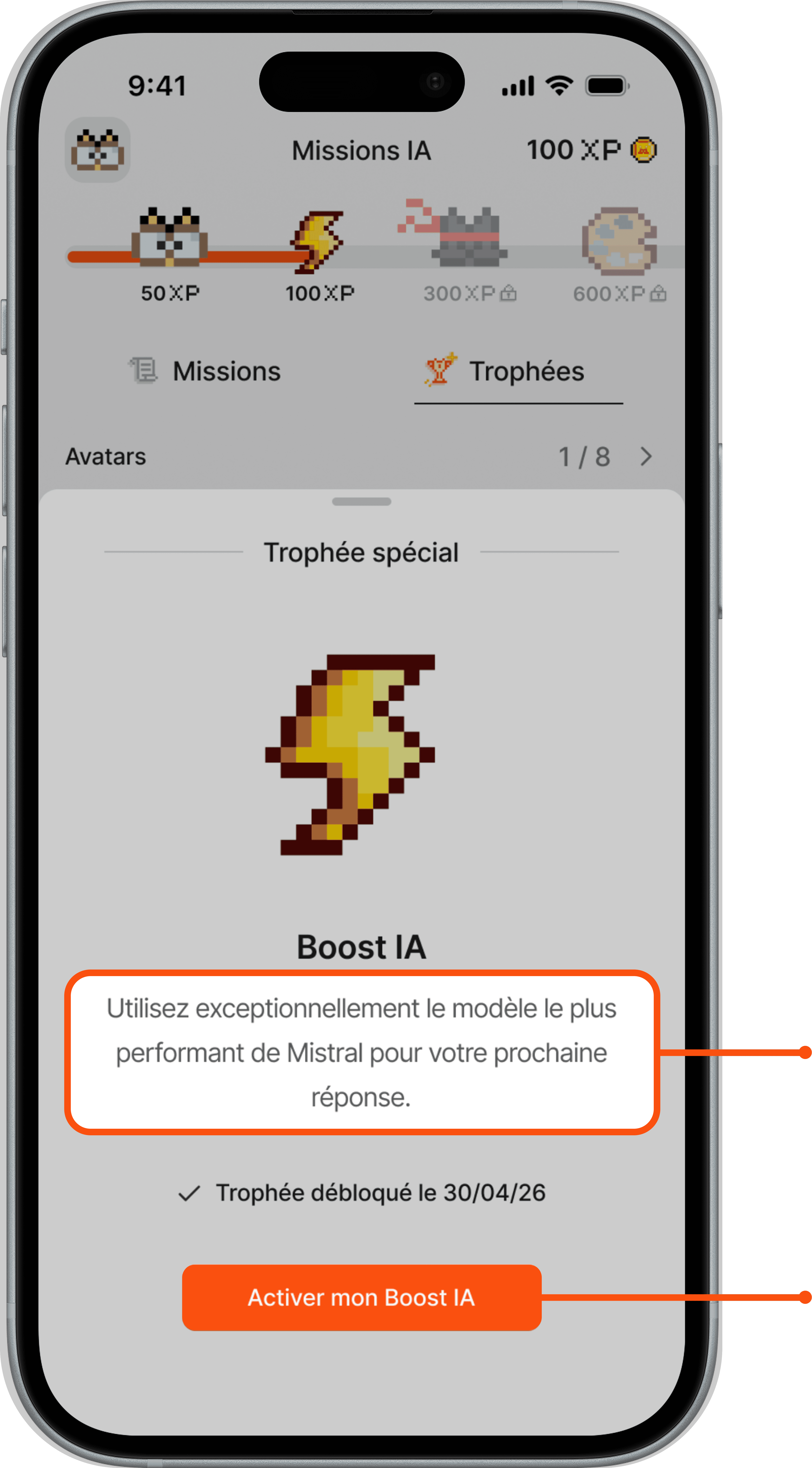
The final prototype demonstrates how the different V3 improvements come together into one cohesive experience.
08 ———— Success metrics
09 ———— Going further
Next opportunities
Beyond the sprint, I identified three opportunities to extend the concept:
🧠
Model & discovery missions
Use contextual missions to introduce new Mistral models and encourage feature adoption through guided exploration, such as newly-launched OCR 4 or Voxtral.
⌚️
Time-limited missions
Introduce limited-time missions with exclusive rewards to encourage users to return regularly.
😸
AI companion
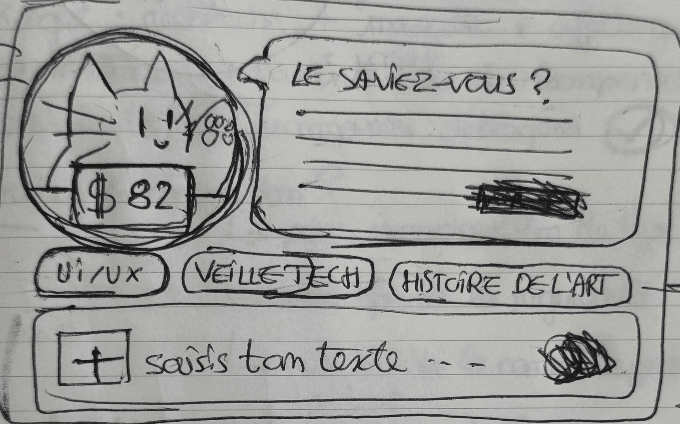
Turn the pixel companion into a guide that supports users throughout their learning journey (milestones…)
Reflection
Continuing the project after the sprint pushed me to think beyond interface design and explore how onboarding, learning and rewards can work together to support long-term product adoption.
This project reinforced my belief that gamification creates the most value when it supports product discovery rather than competing for users' attention.

